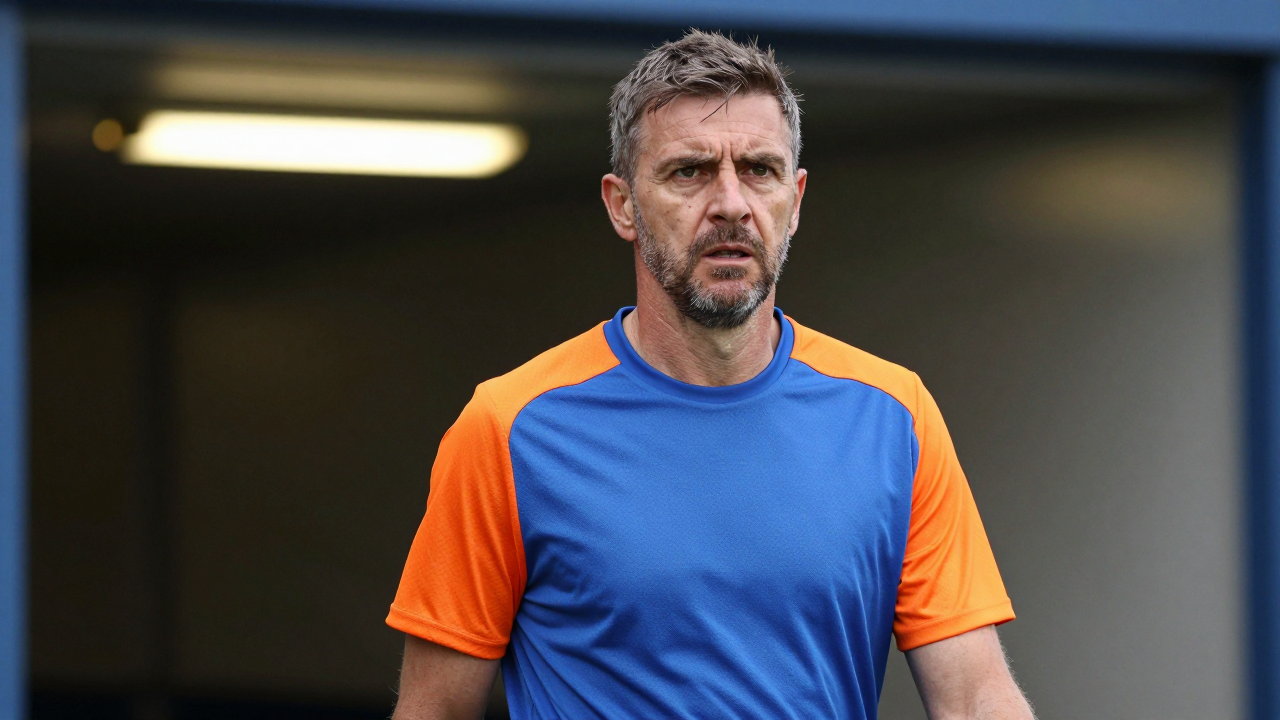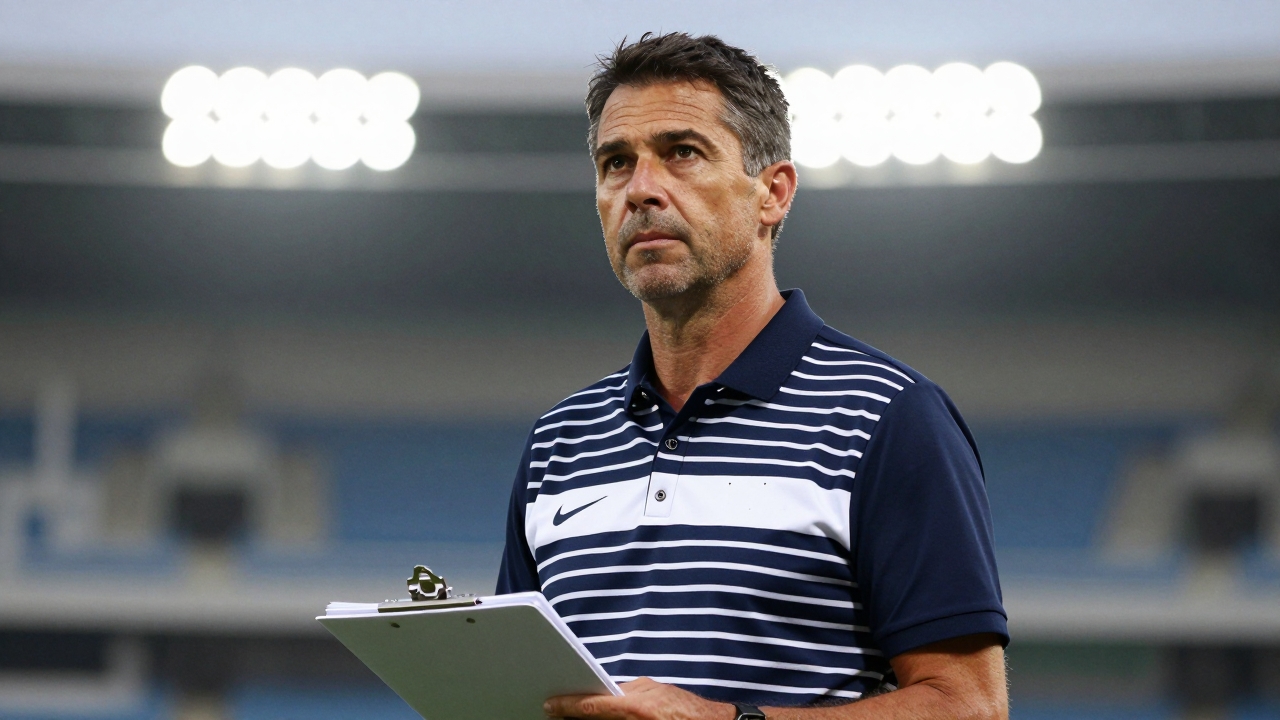

As loyal supporters of the U's, we’ve all felt the recent dips in form at the JobServe Community Stadium. While effort is rarely in question, the results, and indeed the performances, suggest it's time for a forensic tactical examination rather than emotional reactions. Let’s unpick where we stand and what small, yet significant, changes could help turn the tide for Colchester.
Looking at our defensive shape, there have been moments of genuine solidity, particularly when operating in a lower block. However, when we try to press higher up the pitch, issues of compactness often emerge. Opponents seem to find it a little too easy to play through our initial press, leaving our central defenders exposed to runners from deep. The spaces in the half-channels, between our full-backs and centre-backs, have sometimes been exploited, leading to uncomfortable moments. Our full-backs, vital outlets in attack, sometimes find themselves caught too far up the pitch, leaving swathes of green behind them when possession is conceded cheaply. A slight recalibration is needed here.
In midfield, the engine room, we’ve seen flashes of brilliance and industry, but consistency has been elusive. We’ve occasionally struggled to win the crucial second balls, allowing opposition midfielders to dictate the tempo and recycle possession with ease. When we do win it back, the transition from defence to attack can be a touch sluggish, or the first pass lacks the incision to truly launch a counter. This often means our attacking players are receiving the ball under immediate pressure or in static positions, making their jobs incredibly difficult. We need more authority and quicker distribution from the middle third.
Going forward, our attacking patterns have, at times, become somewhat predictable. We’ve seen good build-up play in wide areas, but the final ball or the decision-making in the box sometimes lets us down. Are we getting enough bodies into dangerous positions? Is the lone striker getting sufficient support, not just in terms of crosses, but also through clever runs from attacking midfielders or late bursts from deep? The reliance on individual brilliance needs to be supplemented by more coherent, rehearsed attacking moves that can unlock stubborn League Two defences.
So, what tweaks could our gaffer consider? Defensively, a tighter unit is paramount. Perhaps the full-backs could be instructed to be more selective with their forward forays, especially when facing quick wide players, or the defensive midfielders could drop a little deeper to provide extra cover in those vulnerable half-channels. Alternatively, if we commit to a high press, it needs to be an all-or-nothing approach, with the midfield and defence pushing up in unison to squeeze the space. Any half-hearted attempt gets easily bypassed.
In midfield, cultivating a more aggressive approach to winning the ball back quickly after losing it – the 'gegenpress' philosophy, if you will – could stifle opposition momentum. Once possession is secured, the emphasis should be on quicker, more direct passes to bypass lines and get our attacking players on the front foot, rather than safe, lateral distribution that allows the opposition to reset. Encouraging one of the deeper midfielders to make late runs into the box could also add an element of surprise to our attacks.
Attacking-wise, fostering more fluid movement among the front players is key. Rotational movement between the striker, wingers, and attacking midfielder could create more space and uncertainty for defenders. Varying our attacking approach – sometimes playing through the middle with quick combinations, other times stretching the play wide for crosses, and not forgetting the power of direct balls in behind – will make us less readable. More intensive training on set-piece routines, both offensively and defensively, also offers low-hanging fruit for improvement. These aren't revolutionary concepts, but disciplined execution of these fundamentals can make all the difference in the grind of League Two. The U's have the talent; a few tactical refinements could unlock their full potential and bring back the consistent victories we all crave.